E85 While pure ethanol is rarely used for transportation fuel, there are several ethanol-gasoline blends in use today. E85 is a blend of 85 percent denatured ethanol and 15 percent gasoline. In certain areas, higher percentages of gasoline will be added to E-85 during the winter to ensure that vehicles are able to start at very cold temperatures. “The principle fuel used as a petroleum substitute is bioethanol. Bioethanol is mainly produced by the sugar fermentation process, although it can also be produced by the chemical process of reacting ethylene with steam.”  Why add 15% petrol? Ethanol has a lower vapour pressure than that of gasoline;petrol is added to increase the amount of vapour produced at low temperatures. By adding the 15% of petrol into the mixture, this makes sure that the engine using the fuel is able to start in cold working conditions/temperatures. Advantages • Produces less carbon monoxide and carbon dioxide than conventional gasoline or diesel engines. • Non-toxic, water soluble and biodegradable. • By blending gasoline with ethanol we are stretching the world’s oil supply. • Reduces dependence on foreign oil. • Burning of bioethanol is a carbon neutral process. • Can be used in a normal gasoline engine with minimal modifications. Disadvantages • Reduced miles per gallon due to its lack of energy. • Corrosive to materials used in fuel tanks and pipes which may have been designed to originally run on gasoline. • Its production from food crops could possibly result in an increase of the price of food, due to higher demand of the product. • “Refining gasoline from crude oil releases less CO2 than turning corn into bioethanol with equivalent energy content.” Flexible Fuel Vehicles The first commercially sold fuel flexible vehicle produced was the Ford T, produced from 1908 to 1927 the engine used was able to run on either, gasoline, ethanol or a combination of both. 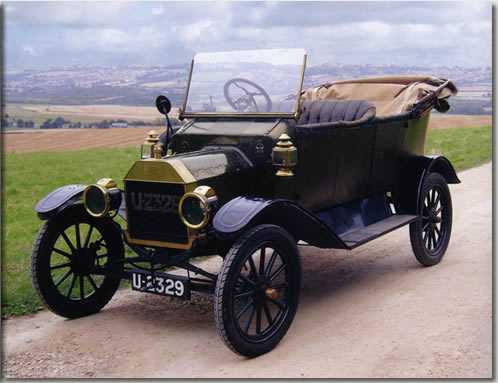 Other vehicle manufacturers currently producing fuel flexible vehicles include; (Small list including a variation of vehicles from across the globe, note that USA labels their ffv’s Flexfuel, and Brazil labels theirs flex.) • Audi – A3 (1.6 e-power E85) • Citroen – C4 (1.6/2.0 BioFlex) • Peugeot – 307 (1.6/2.0 BioFlex) • Renault – Clio (1.2 16v Eco2) • Seat – Leon (1.6 MPI Multi Fuel E85) • Skoda – Octavia (1.6 MultiFuel MPI E85) • Toyota – Corolla (VVT- IFlexi) • Volvo – C30 (1.8 Flexifuel) Sealing Automotive Fuel Systems Such bio fuels containing ethanol can be very aggressive to fuel system components, engine hoses and gaskets. In worst cases this can result in permeation of the components further increasing volatile emissions and fuel being emitted from the engine. “Global biofuel use is expected to double by 2015, according to “Global Biofuels Outlook 2009-2015” issued by Hart Energy Consulting. With rapid population growth and a finite source of fossil fuels, the call to develop renewably sourced biofuels is clear, but that also places new demands on fuel system components.” To ensure that this is issue is controlled; we are now seeing the introduction and development of new heat, pressure and chemical resistant products within the automotive industry. Electric Motors Liquid cooled electric motors In comparison to air cooled motors, liquid cooled motors have many benefits with regards to the additional cost for the additional cooling. Liquid cooling allows for designers to build motors which are of a great level of performance, it should also be noted that external influences have minimal impact on the device's performance. “Motors used in electric and hybrid vehicles have very different demands from those used in an industrial application. The power to weight ratio should be as high as possible, requiring the chosen motor to be compact and light.” DC series wound motors Commonly used in electric car conversions due to the easy accessibility of buying off the shelf motors and controllers at a reasonable price. They also provide a reasonable amount of performance and torque meaning that they make great drag racing motors. 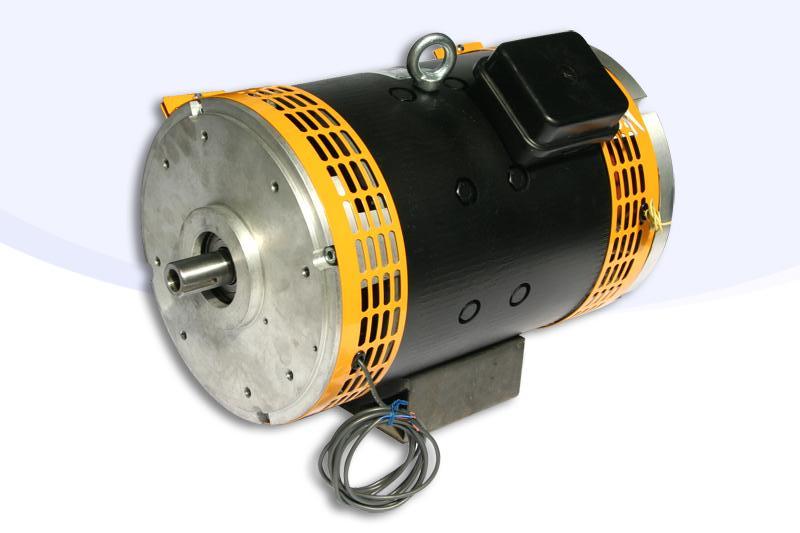 “A Series Wound DC Motor is an Electric Motor where the magnetic field is made up of electro magnets, which are wound in series to the armature. Brushes are used to make connection with the armature and on the armature, there are commutators to perform the commutation.” Advantages • Good for drag racing applications • High torque and acceleration when compared to brushed DC motors • Many DIY Electric Car Conversions have been done using Series Wound DC Motors. | Disadvantages • Brushes can become worn and require replacement • Brushes can cause sparking and arcing • Possible interference to electronic equipment can result due to RF noise from brushes Permanent Magnet DC Motors First introduced in the 19th century they were renowned for the poor quality of magnetic materials used, due to the poor availability of materials then produced. It was then that designers turned to electromagnetic field excitation, though this has now yet again changed and we are seeing the use of rare earth magnets, as this has shown improvements in motor's performance and power density. Such PM motors can be found in office equipment, medical instruments and automobiles. Advantages • Compact size • As no electrical energy is used or losses incurred for developing/maintaining the motors magnetic field, there is overall a higher efficiency. • Higher torque and power density • Simplified construction whilst also being almost maintenance free. • More predictable speed characteristics (Linear) Disadvantages • Magnetic shielding causing heating effect • Improper brush shift in the case of faulty design • Limited in size 3-phase AC induction motors “The 3-phase alternating current (AC) induction motors are mechanically simple, rugged, highly reliable, lower in cost per horsepower than DC motors and capable of more torque and efficiency than single-phase AC motors. A 3-phase AC induction motor can be controlled by varying its inputs according to a mathematical model of the rotor flux field in a complex vector space (vector control).” GMS single M1 drivetrains Suitable for most applications such as electric auto mobiles, boats and many other high performance applications, the M1 motor design is compact due to its liquid cooling, highly efficient windings and the benefits of being brushless and totally sealed from the elements making it durable and robust. Not only this but it is also one of the most cost efficient motors in the field. Fuel cells “The basic principle of the fuel cell is that it uses hydrogen fuel to produce electricity in a battery-like device. The basic chemical reaction is: (2H2 + 02 =2h2O) The product is thus water, and energy. Because the types of fuel cell likely to be used in vehicles work at quite modest temperatures (~85c) there is no nitrous oxide produced by reactions between the components of the air used in the cell”. 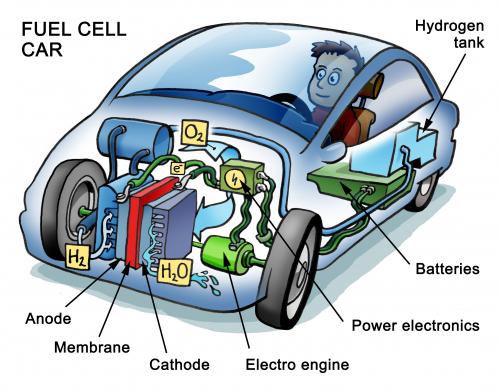 Advantages • Less harmful greenhouse gas emissions • Reduction in dependence of oil due to hydrogen deriving from both domestic and renewable sources. • Reduced harmful air pollutants Disadvantages • Hydrogen storage space and compromising of passenger space depending on vehicle manufacturer. • Fuel cell vehicles are currently more expensive to produce than conventional hybrids • Fuel cell durability and reliability is something which is yet to become as advanced as internal combustion engines • Embracing of hydrogen technologies within the public • Getting the hydrogen to the consumers is something in which a new system will have to be developed. Motorsport And Fuel Cells - The Challenges • Low ignition point means that safety measures must be put in place prior to use regarding flammability. • Ensuring secure storage of hydrogen throughout motorsport events 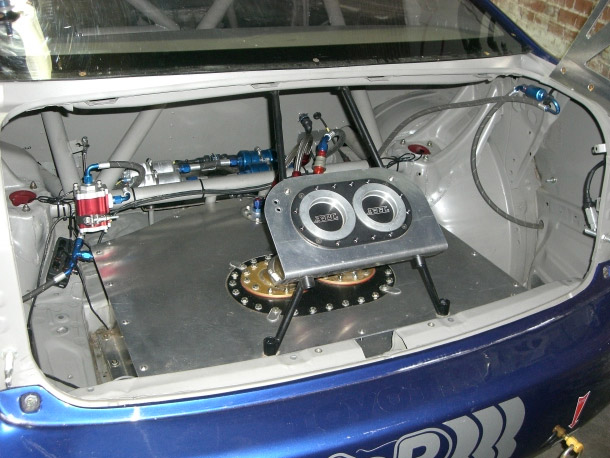 • The requirement for sturdier frames able to support increased weight of hydrogen compared to gasoline. • Fire fighters and emergency personnel must develop new processes and responses for accidents involving hydrogen. • Dangers regarding possibility of electrical shocks Honda FCX Clarity 0-60mph = 9.2 seconds Miles per gallon = 68 Currently only on sale in the US customers pay a $600 a month for three years in return for included servicing. Sales are expected within the UK in 2016, though the car will be slightly altered to that of its build within the US. Hydrogen is currently not distributed within the UK though alternatives such as the conversion of natural gas into hydrogen by the process of reformation is currently available. 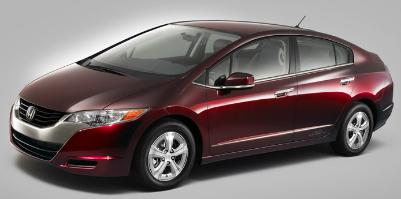 |
