KERS KERS or otherwise known as a kinetic energy recovery system, first used in the 2009 season F1 season was introduced as a technology which could promote the development of environmentally friendly and road car technologies within Formula One racing. Though initially not deemed to be a success in terms of providing extra overtaking and entertainment to the viewing audience, we witnessed certain teams using the device were unable to keep up with the pace of other vehicles due to the extra added weight though this was only the case mainly during the early stages of the season. The system now coupled with this year’s new tyres and DRS system has provided the first seven races of the season with not only increased action and drama but also a record breaking seven different winners. It is hard to exactly pin point the current general view on KERS due the variety of opinions with some praising the technology due to the increase in overtaking and its promotion of green technology’s within F1 whilst others say that the device is too dangerous and is a heavy and difficult system to manage within the pit lane. 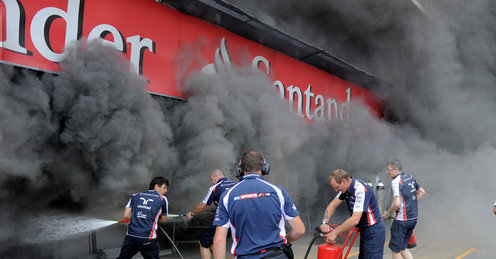 After the Williams pit fire incident at Catalunya Bernie Ecclestone went on to comment in the Guardian “ You could get rid of KERS and it wouldn't change the racing,” and that “If the teams reduced the size of their motor homes or the team units they would need less trucks to take them there”. With opinions like these coming from such an individual it is hard to say exactly where the future lies for the technology within F1. Though we will no doubt start to see a gradual increase in the way in which KERS technology will become evident in road going vehicles in an effort to reduce vehicle emissions whilst maintaining vehicle performance. 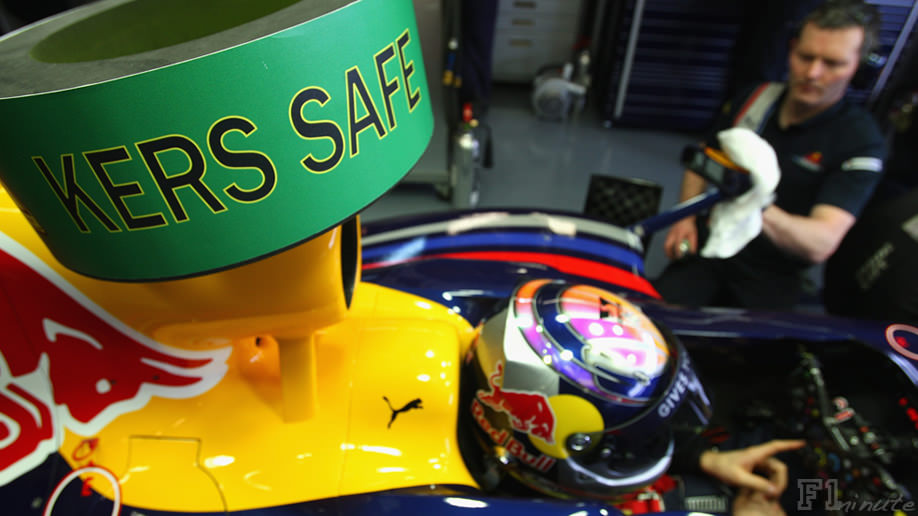 Hybrid Motorsport Toyota Supra HV-R hybrid race car (2007) 1st place in the 24 hours of Tokachi back in July 2007 and race engine of the year, it uses a modified hybrid system with two motors inside the front wheels and one at the back, these allow for the vehicle to generate energy under braking, the vehicle also rather than using rechargeable batteries has a quick charging capacitor. 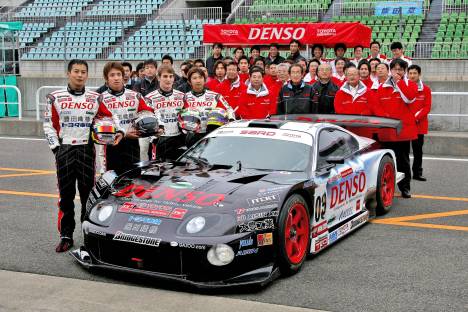 Citroen C4 WRC HYmotion4 (2008) The vehicle has a 125-kW electric motor attached to the rear axle and gets its power from over 900 lithium ion cells that are capable of producing 400 volts. The amount of electricity used is down to the driver allowing for the vehicle to run either on zero emission or full power. Porsche GT3 R Hybrid (2010) Like other hybrids the car has motors attached to each front wheel that converts braking kinetic energy into electrical current. Though unlike battery equipped hybrids it stores its amperage mechanically, in a 31 pound flywheel flywheel that operates in a vacuum chamber beside the driver. It is the flywheels advantage of being able to discharge power so rapidly in comparison to electrochemical storage that makes the system so successful. The video clip provided below shows the Porsche GT3 R Hybrid at the 2010 24h race at the nurburgring, although the car did not finish Porsche believe it is a big step forward towards the future development of Motorsport. Hope Racing LMP1 car (2011) Used Flybrid KERS specifically designed for endurance racing, weighing in at only just 38 kg the system is capable of 100kw power transfers. This was the first ever hybrid car to race at Le Mans in 2011. 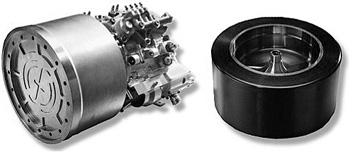 Toyota TS030 HYBRID (2012) Two vehicles debuted at the Le Mans 24 hour this year in the LMP1 class, both equipped with Toyotas new THS-R powertrain system. The vehicle recovers and stores braking energy in super capacitors that are located within the vehicles cockpit. This stored energy can then be used to provide extra power boosts when exiting corners. Audi R18 e-tron Quattro (2012) Uses Williams Hybrid Power designed flywheel accumulator system, this is able to deliver up to 500 kJ to the front wheels via an electric motor, hence the name Quattro (four wheel drive). While both the Toyota and Audi will be using hybrid powertarins, the TS030 uses a naturally aspirated 3.4 litre v8 and the Audi uses a turbocharged V6 diesel. | Provided below is a video clip in which the vehicles team members discuss the technology highlights and differences of their vehicles prior to the 24 hour of Le Mans. If today’s racing teams are going to take upon the idea of hybrid technology, they must be ready to face the challenges of doing so. Hybrid technology is a big leap and image change for the Motorsport industry and its fans and teams must find a way of maintaining fan loyalty and attention. Be that via race wins or advertising strategies teams must ensure fans and the public the green technologies are the way forward for Motorsport and that technological change is essential in order for Motorsport to meet its global requirements and emission standards. Not only this, but the teams must keep up with the mechanical requirements of such new green technologies. Bio Fuel Achievements (2006) Ratt Racing – The conversion of a conventional mini to compete, using E85 bio ethanol fuel. (2007) Barwell Motorsport – Conversion of a petrol Aston Martin DBRS9 to run on bioethanol (2007) Jenkins Motorsport – Conversion of a racing truck to use bio-diesel (2007) Team Inzane Laverda – First conversion in UK to compete in motorcycle road racingwith a high performance bike. (2007) Formula Woman – Conversion of all competing Catherham Roadsports to run on bio ethanol. 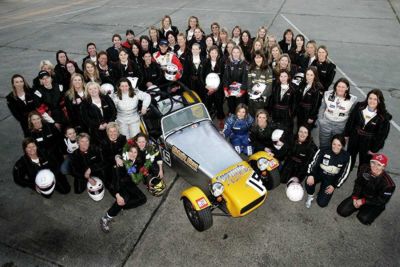 Such achievements have managed to significantly prove how bio fuels are more than capable in providing race winning performance and reliability within today’s latest racing machines. Not only are this but more often than not, the amount of effort required to carry out such conversions with bio fuels minimal. Neither are technical issues a regular occurrence with some conversions experiencing improved mechanical reliability compared to regular fuels. Significant media interest may also be generated by using such bio fuels. Teams must now continue to work on technically developing racing vehicles to work with such bio fuels in order to prove their importance and significance in leading the way to greener motorsport.It is now down to the teams and competitors within the Motorsport Industry to distribute the key messages and spread awareness of bio fuels and their positive impacts. Electric Motorsport Provided below is a list of current and future electric motorsport championship series, all of which aim to provide an opportunity for the public to understand the benefits of electric vehicles and the new electric technologies and hopefully change people’s perceptions about what electric vehicles are capable of achieving. FORMULA E – With intentions for the series to launch in 2013, the vehicles in question would be single seaters with an overall weight of around 780kg with three race vehicle types being used to match the requirements for different vehicle manufacturers. The races would be considerably shorter than that of standard races and would be likely to be held considerably closer to town centres due to new noise levels etc. 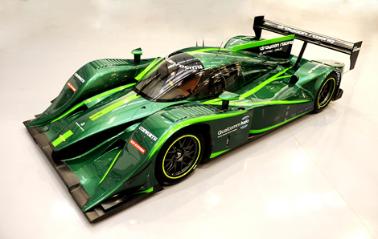 EV CUP - Soon to be the world’s first zero emissions electric vehicle circuit race series. “The project embraces the emerging world of everyday passenger automobiles, sports and prototype electric vehicles linked to the need for sustainable transportation”. Electric Drag Racing Association- “The National Electric Drag Racing Association (NEDRA), a specialized chapter of the Electric Auto Association, exists to increase public awareness of electric vehicle (EV) performance and to encourage through competition, advances in electric vehicle technology.” TTXGP – The world’s first sanctioned zero carbon, clean emission motorcycle race, the series is now in its third year. It enables today’s futuristic technologies to be tested in an exciting way whilst providing a platform for the development of electric vehicles. 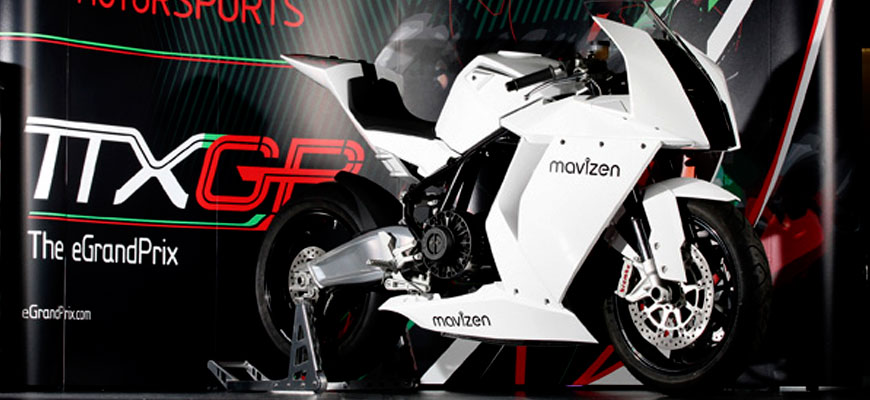 Only by the vehicles used within these electric championships physically proving that they are both able to maintain a consistent level of performance, reliability and safety similar to that achieved by todays fuel driven vehicles, will they then be able to fit into today’s current motorsport championships such as the BTCC, GT and Endurance series. |
