Issues Concerning spillages of engine oil into the environment Though oil compounds are mainly just carbon and hydrogen otherwise known as hydro carbons, it is the way in which the C and H combine that can be potentially dangerous and toxic to wildlife, inhibiting metabolic activity, interfering with animal membranes and disturbing the ability of sealife to regulate its water/oxygen intake. It is the poly-cyclic aromatic hydrocarbons (the aromatic compounds) that cause the biggest problems though. 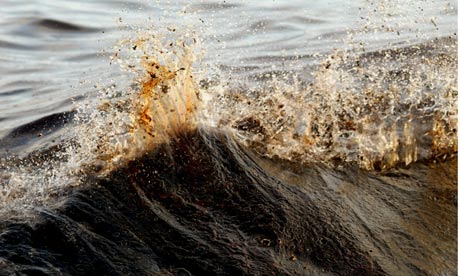 A highly visible form of pollution, oil is harmful to animals, plants, soils, rivers and ground waters and is more than capable of destroying natural habitats and water supplies. It is currently the most common reported form of water pollution and is reliable for annually causing over 16% of all pollution incidents. “Environmental contamination by hydro carbons and petroleum products constitute nuisance to the environment due to their persistent nature and tendency to spread into ground and surface waters. Hydrocarbon contamination of the air, soil freshwater especially by PAHs has drawn public concerns because many PAHs are toxic, mutagenic, and carcinogenic.” Ways to prevent damage To ensure minimal damage to the environment it is of upmost importance that any spillages of oil are cleaned up, and that oil is not tipped down drains or onto land as a form of disposing of the liquid. Such actions result in possible pollution of rivers and land contamination. In the case of oil being burned as a form of disposal this is just as bad, as it further results in the pollution of the air. 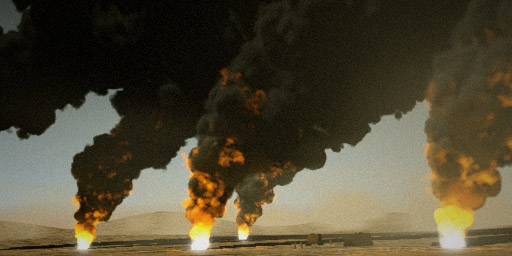 In most cases, used oil is considered more hazardous as there are large possibilities that the oil contains other hazardous properties, so it is important that any oil wastage is either correctly stored or taken to an official oil bank for recycling. • Safe storage of oils and liquids within correct containers • Cleaning of any spillages with the use of correct cleaning equipment • Removal of used oil and coolants via official oil recycling banks etc • Use of drip trays when working with oil and coolants • Ensuring any flammable liquids are away from possible sources of ignition Ethylene Glycol The following documentation was found via the UK’s health protection agency’s website (HPA UK): http://www.hpa.org.uk/webc/HPAwebFile/HPAweb_C/1194947384708 Information provided includes: General Information • Background • FAQ’S Incident Management • Hazard Identification • Physicochemical Properties • Threshold Toxicity Values • Published Emergency Response Guidelines • Exposure Standards, Guidelines or Regulations • Health Effects • Decontamination and First Aid Toxicological Overview • Toxicological Overview • Health Effects of Acute/Single Exposure • Health Effects of Chronic/Repeated Exposure • References 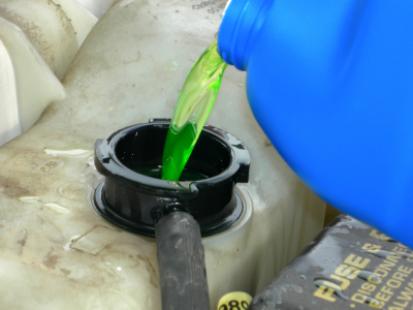 | Motorsport Noise Regulations To most the sound of motorsport is likely to be a thrill and enjoyable experience, however to those living near racing circuits it can be considered as an unwanted irritant. It is for this reason that we have noise restrictions in place throughout todays racing circuits, to ensure a good relationship with the external community. Not maintaining a significant relationship with the public can result in issues regarding complaints towards the circuit and possibly even circuit closure. 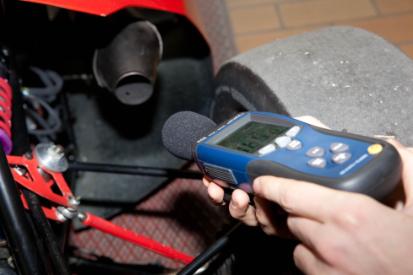 Current control measures in place to ensure noise regulations are met include, Static noise testing – Used to identify vehicles that are over the set noise limit prior to the vehicle being let out on the circuit. “ISO 5130:2007 requires three consecutive measurements to ensure repeatability. These measurements are taken at a specified engine speed, or RPM, and the maximum sound level produced during the test is taken. Once three valid measurements have been made, the highest is taken and used as the valid result. “ Drive by testing – Permanent devices are put in place throughout the race circuits which frequently gather the noise levels produced, this allows for all vehicles on track to be continuously monitored. Noise Management plan – Having such a plan allocates specific days in which certain noise limits are not to be passed. These plans will usually be provided and agreed with the local community so to ensure minimal conflict. 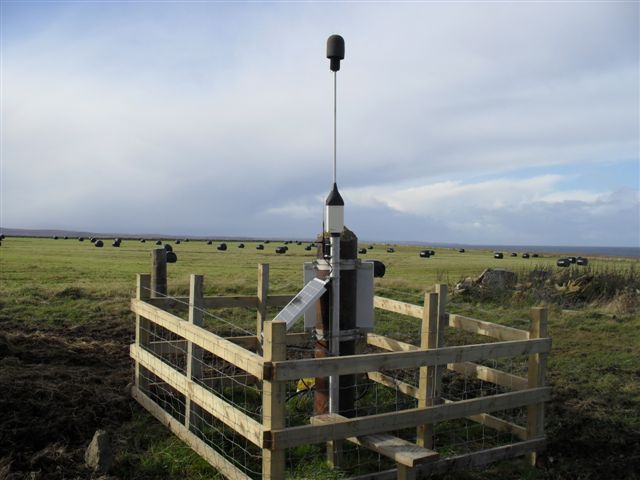 Provision of data online – This allows the public to personally check the noise readings gathered from certain days on the calendar. “There are recommended sound limits for cars/motorcycles competing in various sporting events. These are usually set by the sporting organization such as the ACU or MSA. These sound limits do not correspond to an agreed acceptable noise level at communities around motorsport venues. These limits, now rigorously enforced, are designed to prevent excessively noisy (subjective term) vehicles competing in events thereby reducing the risk of disturbance.” Factors affecting noise production? • Wind speed and direction • Manmade or natural circuit barriers aid in reducing the sound levels emitted. • Distance to or from the source of the sound • Vehicle used in question (Exhaust system/general performance) • Aftermarket Modifications 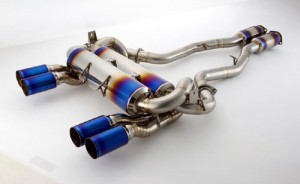 • Number of vehicles on circuit at one time • Tyre noise (Dependant on track surface) “The Government recognises that motor sports are enjoyed by a great number of people across the country and does not seek to curtail that enjoyment if a site operator operates within the planning conditions. However, if the Local Authority finds that a nuisance interferes with a person’s reasonable use of their property or is prejudicial to their health the operator can be told under the Environmental Protection Act (EPA) 1990 to abate a reported nuisance.” (No.10 Downing Street petition response) “ |
