Introduction As the planet becomes ever more concerned with cutting down pollution levels and reducing each individual’s carbon footprint, we are increasingly witnessing the introduction of new technologies and ideas in an attempt to do so. For vehicle manufacturers to be successful it is now key for them to show some form of innovation by using or implementing green environmentally friendly technologies within the production of tomorrow’s vehicles. This is being achieved either through the use of environmentally friendly materials, reducing vehicle emissions, introducing electric hybrid technologies or even putting a few solar panels on the roofs of their production facilities. 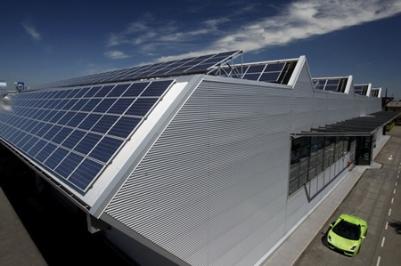 No matter what method is used, electricity will be required in order for vehicle manufacturers to work and process. Throughout this next section we will be looking at the various kinds of electricity generation currently used around the globe and whether any of these so called new environmentally friendly methods of generating electricity are really that green? Are these new electric technologies saving our planet? Or are they actually just as environmentally damaging as today’s internal combustion engines? Discussion Provided below are examples of both renewable and non-renewable energy sources currently used to generate electricity, each of which has been briefly described with advantages and disadvantages provided: Power stations – Without doubt one of the most reliable sources of energy, depending on the type of fuel used this can result in an increased or decreased length of time that the stations needs in order to start up. About three-quarters of the electricity generated in the UK come from power stations fuelled by fossil fuels. These fossil fuels include coal, oil and natural gas and are extremely bad contributors to the greenhouse effect and due to them being non-renewable sources of energy they will no doubt run out eventually with such high demand.  Wind Turbines – Usually found to be grouped in large areas with windy conditions. When wind blows it transfers its kinetic energy to the blades of the turbine, which then turn and drive a generator. As long as we have the sun we should still have wind … this makes wind turbines a renewable energy source. Similar to that of most renewable energy generators there are no fuel costs, no pollution is emitted, though the initial cost of purchase and installation is considerably large meaning that any savings made or environmental benefits to be had will be purely in the long term. Wind farms are renowned for conflicting with local residents due to their output of noise, the removal of land to | 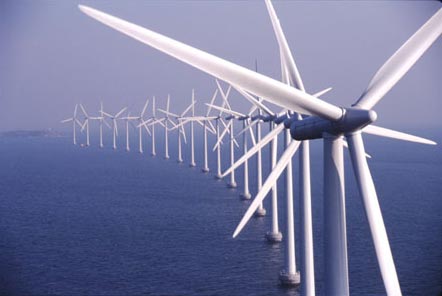 Wave, Tidal & Hydroelectric Power - These rely on the kinetic energy in the moving water to drive electricity generators. A tidal barrage is a barrier built over a river estuary which contains electricity generators which are in turn driven by water coming though the barrage. The benefits of such a renewable energy system include no fuel costs and no harmful polluting gasses being produced. Disadvantages include the fact that tidal barrages will usually eradicate any habitat within the estuaries along with damaging rooting vegetation underneath the water, thus releasing the greenhouse gas methane. Hydroelectric dams have been known to flood farm land and in even worse cases result in people being moved from their houses. Solar Panels – Often found on roofs of buildings or areas where they may receive heat energy from the sun. Solar energy produces no harmful pollutants and is a renewable energy resource which results in no required fuel costs for the solar panels to operate. Though they may be environmentally friendly, any benefits gained will purely be long term. This is due to the initial cost of purchase and installation, such solar panels are also very much suited to hot and sunny climates meaning that if such devices are to be installed in cooler climates that they will be likely to require to be supplemented with a conventional boiler, further adding more to costs and increasing levels of pollution produced. It should also be noted that solar panels contain photovoltaic cells which are produced from silicon, a fossil fuel produced element. 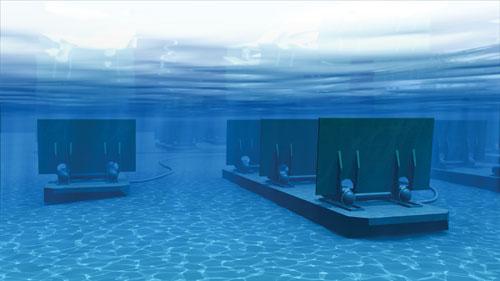 Conclusion So to conclude … is all electricity green? I personally feel the answer is no. After researching today’s various forms of electricity production and their end results gained we can clearly see that many efforts have been made to introduce new environmentally friendly methods of electricity generation such as wind farms, solar panels, wave machines, tidal barrages and hydroelectric power etc. But are these technologies and systems really that green? In the long term it would seem so but in the short term this would certainly not be the case due to the overall costs and pollution produced from the installation, production and transportation of these systems. With some countries being better suited to some technologies this often requires for extra effort and money to be spent in an attempt to get the best performance out of these environmentally friendly technologies. Maybe in the future this will no longer be the case but for now, until the time comes that we are unable to access fossil fuels, the majority of electricity production will no doubt be mainly carried out with the assistance of harmful fossil fuels. |
