Methanol As the most basic alcohol, methanol is a desireable choice as a transportation fuel due to its efficient combustion, ease of distribution and wide availability around the globe. Methanol is used in transportation in 3 main ways - either directly as a fuel or blended with gasoline, converted in dimethyl ether (DME) to be used as a diesel replacement, or as a part of the biodiesel production process. The video clip below provides proof of a methanol based fire taking place during pit stop refuelling. The race in question was part of the Indy 300 series taking place on the Gold Coast of Australia. Note how flames are not visible yet the mechanics are still frantically trying to dowse the flame ridden mechanics. Chemical formulae for petrol - C8H18 Chemical formula for diesel – N/A (This is due to it being made up of parts from a refined petroleum process blended to meet certain criteria) Chemical formula for methanol - CH3OH Chemical formulae for Ethanol - CH3CH2OH or C2H5OH Effect of acids and gums in fuel “When fuel burns, some products of combustion react with moisture in the system to form acids. These include sulfuric, hydrochloric and organic acids. Sulfur-based acids are undesirable because they attack the oil, reducing its detergency. Organic acids react with unburned fuel to promote sludge and varnish. In addition, acids can cause additive settling, or dropout.” In terms of combatting this issue regarding the sulphuric acid content and its corrosive effect on engine parts, Benzol may be used to contain injurious amounts of sulphur. Excessive amounts of gum in petrol can cause such problems as sticking of valves and plugging of fuel passages. Detection and elimination of gum is easier than prediciting the rate in which it will develop and the rate of its formation. Chemicals known as inhibitors are currently mixed into petrol as a form of reducing the tendency of gum formation. Freedom of such acids and gums within fuels is essential in gaining the best outright performance, efficiency, and emissions from today’s vehicles. Bio-ethanol “Ethanol or ethyl alcohol (C2H5OH) is a clear colourless liquid, it is biodegradable, low in toxicity and causes little environmental pollution if spilt. Ethanol burns to produce carbon dioxide and water. Ethanol is a high octane fuel and has replaced lead as an octane enhancer in petrol. By blending ethanol with gasoline we can also oxygenate the fuel mixture so it burns more completely and reduces polluting emissions.” 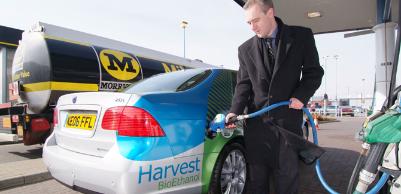 Bio ethanol is mainly produced by the sugar fermentation process, although it may also be produced through chemical processes of reacting ethylene with steam. The main sources of sugar required to produce bio ethanol come from energy crops. These crops include maize, corn, wheat crops, waste straw, reed canary or cord grasses and willow. A wide variety of wastes which are currently used to produce bio-fuels include; • Gardening wastage (Leaves, branches, grasscuttings) • Household wood wastage • Food processing wastes (Dairy and sugar industry, wine and beer etc) • Municipal solid waste • Sewage Such bio fuel produced from waste materials are considered to be sustainable, as they do not significantly impact on land use, in directional effects and food prices. E85 Advantages of E85 • Produces less carbon monoxide and carbon dioxide than conventional gasoline or diesel engines. • Non-toxic, water soluble and biodegradable. • By blending gasoline with ethanol we are stretching the world’s oil supply. • Reduces are dependence on foreign oil. • Burning of bio ethanol is a carbon neutral process. • Can be used in a normal gasoline engine with minimal modifications. 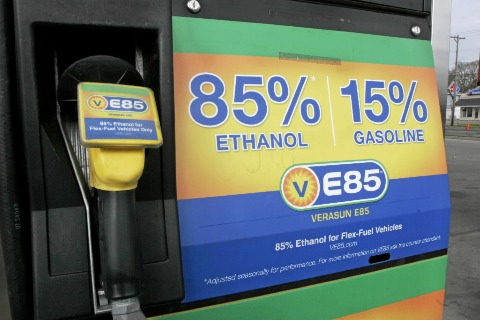 Disadvantages of E85 • Reduced miles per gallon due to its lack of energy. • Corrosive to materials used in fuel tanks and pipes which may have been designed to originally run on gasoline. • Its production from food crops could possibly result in an increase of the price of food, due to higher demand of the product. • “Refining gasoline from crude oil releases less CO2 than turning corn into bioethanol with equivalent energy content.” With regards to the last quote mentioned within the disadvantages of E85, we could say that in terms of comparing which would be greener when E85 is produced and used compared to solely the production of gasoline we could state that gasoline is greener. This being mainly due to the fact that less carbon dioxide is produced in the production of gasoline to bio-ethanol. Though if there was to be a comparison of the two and which is greener when used, we would certainly come to a conclusion that E85 is the greener of the two. Calorific value comparison Calorific value of pump diesel = 45-46 (MJ/Kg) Calorific Value of Bio diesel = 39-43 (MJ/Kg) Calorific value of cooking oil = 39 (MJ/Kg) From the list of results above we can clearly see that pump diesel manages to contain the highest calorific value, whilst cooking oil contains overall the lowest calorific value. Due to high internal pressures generated by diesel engines they are required to be strong and heavy structures. Listed below are a number of disadvantages that could be caused due to this extra requirement within the motorsport industry; • Extra weight is never a positive in terms of achieving the quickest lap times • Extra weight requiring chassis which is capable of supporting increase in loads • Extra weight can cause the vehicle in question to become unbalanced 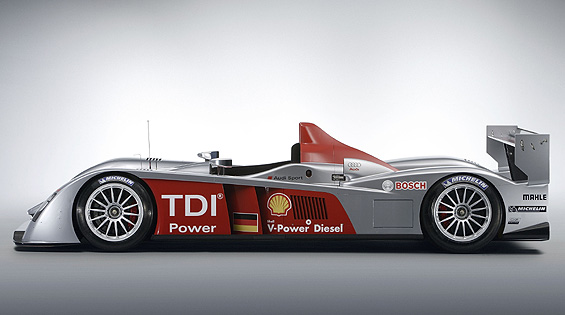 • Such changes could result in the introduction of new racing groups to keep competition at an equal level in comparison to other fuels used. • Such weight could require extra safety measures to be put in place within the vehicles structure and design. Constituents of Diesel Emissions Carbon monoxide (CO), Hydrocarbons (HC) and aldehydes are generated within the exhaust system due to incomplete combustion of fuel. Carbon monoxide can cause headaches, dizziness and lethargy. Hydrocarbons cause eye irritation, choking sensations and also are a main component of smog which has a negative environmental impact. Nitrogen Oxides (NOx) are generated from nitrogen and oxygen under the high pressure and temperature conditions within engine cylinders. Nitrogen Oxides are also a key component of smog formation. 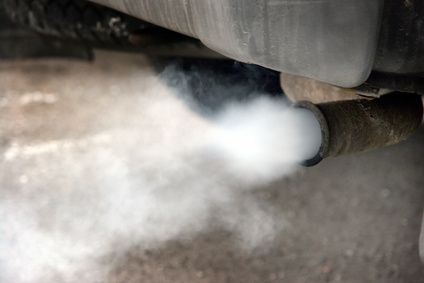 Sulphur Dioxides (SO2) generated from the sulphur present within the fuel, it is also responsible for sulphate particulate matter emissions. It is these sulphur oxides which have a big effect on the environment hence being the major cause of acid rains. Diesel particulate matter, a complex aggregate of solid and liquid material, is generated in the engine cylinder during combustion. Classified by government agencies as both, “human carcinogen” and “probable human carcinogen”. This is something which is very much respirable and known to increase the risk of heart and respiratory diseases and has a significant impact on human health. It is such particulate emissions as listed above which are currently looked at negatively by the Motorsport industry. Such harmful emissions are something which today's motorsport industry want to gradually reduce and eliminate so to further prove to external governing bodies of their efforts to introduce greener and more efficient technologies within today’s race vehicles. | V-power Diesel An enhanced diesel fuel similar to that of BPs Ultimate Diesel, Shell v-power diesel is a blend of synthetic diesel with regular petroleum based diesel, extra additives are added to the mixture to aid in cleaning the internal injection systems whilst providing improved injector lubrication. 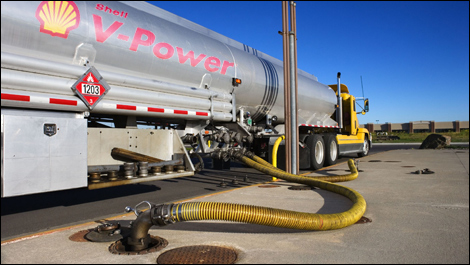 Advantages of the fuel Include; • Enhanced engine performance • Decrease in density of fuel makes for a reduction in soot produced during combustion • Synthetic GTL makes for a clearer and odourless diesel compared to the norm. • Increased engine protection • Continuous cleaning of fuel injection systems • Removal of existing deposits aids in restoring and maintaining engine performance • Double action formula Though considerably more expensive that normal diesel, the general response from automotive forums is that it significantly improves fuel efficiency and miles per gallon achieved, though in terms of performance gains that these are minimal when compared to other diesels currently available at petrol stations. Another factor which also seems to effect to the outright performance gained from Shell v power diesel, is the performance of the vehicle in question the quality of its internal engine components such as fuel injectors etc. Alternative Methods of Hydrogen Generation Methods currently used that manage to neither produce, or emit more C02 into the environment In the production of hydrogen include; • Chemical or thermal reformation of biomass feed stocks. Though the process is believed to emit carbon dioxide this is considered to be then recycled by the growth of more biomass. • Biological reformation of biomass using micro-organisms, again C02 is produced though recycled by the growth of more biomass.  LPG (Liquid Petroleum Gas) “The gas itself is normally some derivative of butane or propane, or a combination of the two. LPG is manufactured during the process or refining crude oil, and LNG is manufactured during the refining process of extracting natural gas from the ground. Once the gas is compressed, it becomes a liquid, and this is what is carried around in the tank in the back of your car.” (write up?) Advantages • Cheaper than petrol • Reduction in fuel consumption • Reduction in smoke emissions • Nontoxic, non-corrosive and free of any additives • High octane rating 102-108 depending on local specifications • Burns cleaner than the likes of petrol or fuel-oil • Decrease in tax compared to petrol (In certain countries) Disadvantages • Size of LPG tank • Availability of the fuel outside of Europe • Cost of LPG conversion • Increase in hydrocarbon emissions • Prone to wearing internal valves due to recued cylinder lubrication • Not all engines suitable for use of LPG • Lower energy density when compared to other fuels • A method in which no CO2 is produced uses special catalysts or extreme heat to directly spilt water using light. • “The electrolysis of water using electricity from renewable resources such as wind power, hydro-power and solar-voltaic cells. This method produces no carbon dioxide.” The Hindenburg Disaster On the 6th May, 1937, the famously known Hindenburg disaster took place, the German passenger airship which was attempting to land in the borough of Lakehurst, New Jersey unexpectedly caught fire, resulting in the death of 35 passengers and crew on board the airship. The main cause of the incident is unknown, but one of the main hypothesis put forward for the case, was that of a static electric spark igniting the hydrogen skin used for the buoyancy of the aircraft. The main reason for the airship using hydrogen was due to the US government refusing to supply the Nazi government with supplies of helium. Though helium is renowned for being an extremely flammable substance, the hydrogen hypothesis has been argued to be incorrect. This being due to the fact that the Hindenburg burnt with a red flame and that if it was to be hydrogen burning that this would have been an almost invisible blue flame. There are many different hypothesis currently out there arguing their own cases, but one certain thing that was taken from the incident for sure, was that this technology used was the last airborne to be seen of its kind. Below is footage from the British Pathe archive, the footage shows shots of the Hindenburg flight, it’s coming into landing in New Jersey and the final crash that took place. Refuelling Refuelling with LPG is considerably different to that of regular fuels, firstly a flexible hose must be locked into place on the vehicle so to create a sealed pressurised system, next before the gas is released into the vehicle the amount of gas required must be pre selected, the amount of time taken in total do fill the vehicle is usually similar to that of conventional refill. At its peak, LPG was available from around 10% of all forecourts sold the gas. While these have reduced in number slightly, in 2010 it was measured there were around around 1,500 forecourts selling LPG across the UK. If refuelling LPG when out on circuit, it would be of upmost importance that such factors were considered so to ensure the safety of the participants and personnel. - Correct storage and handling of LPG - Fuel tanks fitted with pressure relief valves and tested to certain pressures prior to use - Sufficient health and safety labelling on equipment considered to be a risk to health - Fire protective equipment worn by all mechanics and drivers - Correct type of fire extinguishers readily available in the case of a fire - Specific routines carried out in case of fire or LPG related incident - Any spillages to be cleaned up straight away - Safe and correct disposal of any unwanted fuel “If using LPG, the entire system must conform with Construction and Use regulations and LPG Industry Technical Association Code of Practice No. 11.” (MSA Bluebook 2011, p.135) 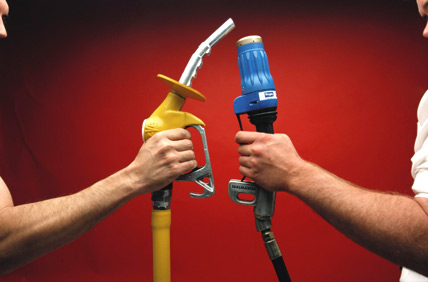 Compressed Natural Gas (CNG) Advantages • An affordable energy source when compared to the high cost of petroleum • Improved fuel efficiency • Reduced carbon monoxide and hydrocarbon emissions • Environmentally friendly • Non corrosive and free from lead substances commonly used in additives • Locking in gas eliminates dispersion of gas into air. • Low flammability • Income tax depreciation • Overall reduces up keeping costs 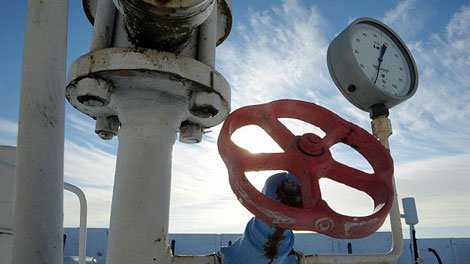 Disadvantages • Availability of fuelling stations distributing CNG within certain regions • Reduced driving range when compared to other fuels • Requirement for additional components to be installed for storage of fuel • General level of doubt about usage of CNG for their vehicles • Loss of luggage space due to CNG cylinders • Possibility of reduction in vehicle performance • Cost of conversion |
