What are Composites ?“A complex material, such as wood or fiberglass, in which two or more distinct, structurally complementary substances, especially metals, ceramics, glasses, and polymers, combine to produce structural or functional properties not present in any individual component.” Composite materials usually consist of two constituents, a binder/matrix and reinforcement. The reinforcement is the stronger of the two and is the backbone; this is held in place by the matrix. The matrix not only holds it in place but also protects the reinforcement, which may be brittle or breakable. In general composite materials have a very good tensile strength and have great compressibility; this makes them versatile in a wide variety of situations. Fibre reinforced composite products include, aerospace components, bicycle frames, boat hulls, storage tanks, fishing rods and racing car bodies. Although expensive, fibre composite products have gained significant popularity due to their lightweight high performance which is still able to be put under harsh loading conditions. 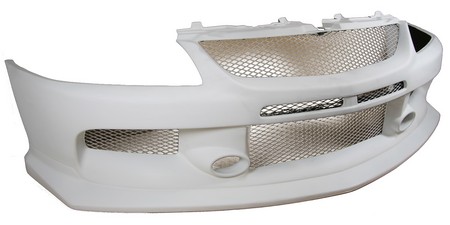 Carbon reinforced composite products can be found within spacecraft, racing cars, disk brake systems, airplanes, heat shields and are now being introduced into luxury vehicles and sports cars. It is essential that the finish of the composite parts discussed include rain erosion and polyurethane coatings so to ensure a quality finished product. 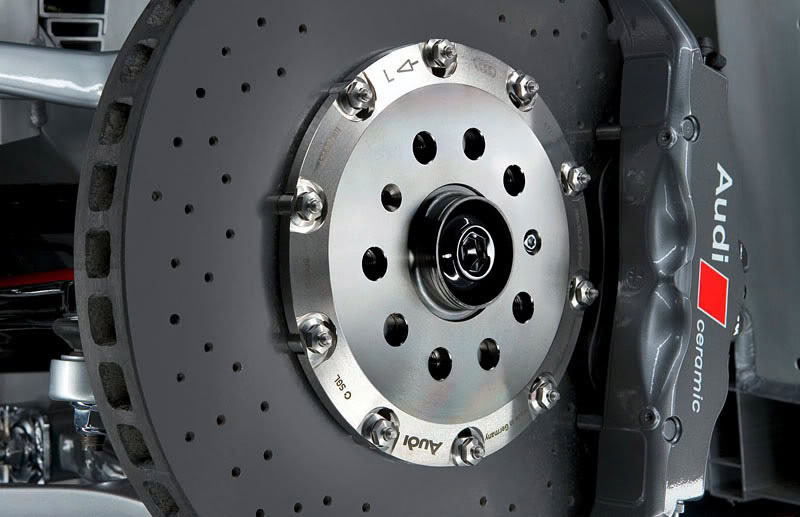 To ensure that possible failures of composite products are prevented, composites are tested prior and after construction. Tests carried out after construction include, thermography, shearography, ultrasonics and x-ray radiography. Thermoplastics “A thermoplastic (sometimes written as thermo plastic) is a type of plastic made from polymer resins that becomes a homogenized liquid when heated and hard when cooled. When frozen, however, a thermoplastic becomes glass-like and subject to fracture. These characteristics, which lend the material its name, are reversible. That is, it can be reheated, reshaped, and frozen repeatedly. This quality also makes thermoplastics recyclable.” 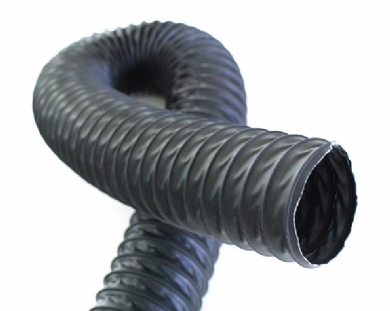 Disadvantages • High chance of melting • Degrading under sunlight or high levels of U.V. light • Some thermoplastics have poor resistance to hydrocarbons, organic solvents and highly polar solvents • The material is known for relaxing under long term loading • Many thermoplastics tend to fracture rather than deform when under high stress levels • Limited temperature spectrum when compared to metals • Any deformation of plastics cannot be returned to their original condition • Leaching of minute amounts of organic chemicals over time It should be stated that the disadvantages listed above are not the case for all types of thermoplastic currently available to the public. CFRP “A carbon fibre is a long, thin strand of material about 0.0002-0.0004 in (0.005-0.010 mm) in diameter and composed mostly of carbon atoms. The carbon atoms are bonded together in microscopic crystals that are more or less aligned parallel to the long axis of the fibre. The crystal alignment makes the fibre incredibly strong for its size. Several thousand carbon fibres are twisted together to form a yarn, which may be used by itself or woven into a fabric. The yarn or fabric is combined with epoxy and wound or moulded into shape to form various composite materials.” 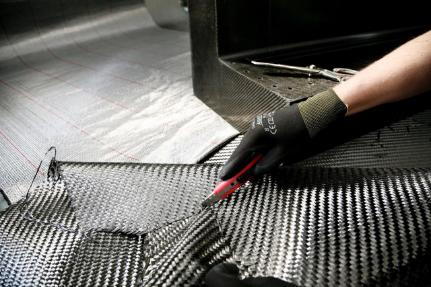 • Extremely high strength and rigidity • Low density, good damping conditions and high resistance to impact • Compared to glass fibre reinforced plastics, CFRP is considerably more rigid, has improved electrical and thermal conductivity and lower density • Found to be used in aerospace engineering, the automotive industry, motor racing, sports equipment and industrial applications. The wide spread use of the material is due to its ability to be put under such high levels of stress whilst being of an extremely light weight. • CFRPs have the ability to be developed to provide increased strength in certain directions, and weakness in other directions. This has made carbon fibre widely used within increasing race car safety, today carbon fibre monocoques are commonly used within today’s high performance vehicles, further providing an unsurpassed strength to weight ratio and improved dynamics when compared to other material used. • Use of the material has also now become common within high performance vehicle body panels. Use of such a material can significantly reduce the weight and size of vehicle frames; this will allow designers and engineers to make full use of any creative design. • Manufacturing processes for CFRP include, autoclave pressing, board pressing, fibre winding, resin transfer moulding and manual laminating. The reason for the variation of manufacturing processes is due to the geometry and profile requirements of the CFRP design. Fibreglass “In the strictest sense, fiberglass is a trademarked product of the Owens Corning company, invented in 1938 and marketed as a home insulation product (Fiberglas). While home insulation remains one of its most common applications, the name itself has become a generic term for any material containing thin fibres of glass formed into a woven layer or used as reinforcement.” 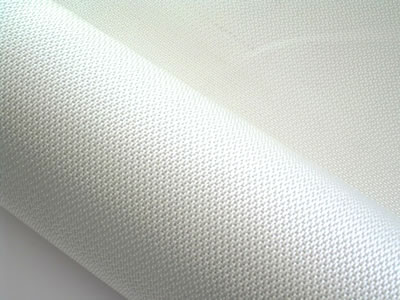 • A composite material widely used in the automotive industry • In comparison to carbon fibre, it is considered to be less strong; material is less brittle and raw materials less expensive. Though in comparison to metal, its strength and weight properties are favourable. • A versatile material that combines its light weight and strength to provide a weather resistant finish. It is because of its light weight and durability, that fibreglass is often used in protective equipment. • Uses of fibreglass includes water tanks, roofing, external door skins, boats and automobiles • When mixed with resins it can be used to form the shells of racing cars, it can be sanded, smoothed and painted. • Fibreglass is also used for wrapping around vehicle exhaust systems; this is due to its capability of operating at heats of up to 1000 degrees Celsius. 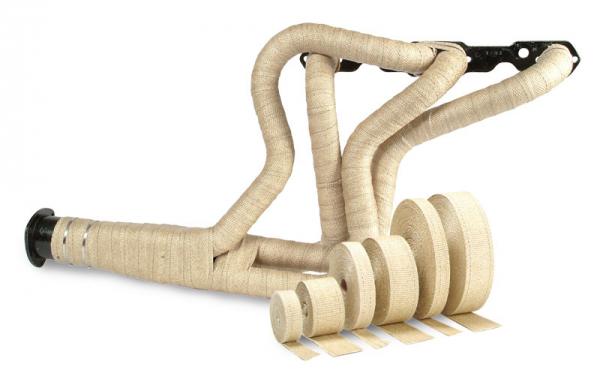 • Though not having the inherent tensile strength of steel, car body repair can often be carried out with fibreglass and resin. • May also be used for building and insulating material due to its versatility. • May be mixed with other materials to form thick insulation padding. • A versatile material that comes in many forms, fibre glass is hazardous to work with due to the fumes it can produce from the resin. When working with fibreglass it is essential that sufficient safety guidelines are taken such as correct use of overalls, gloves and respiratory equipment. | Biological Plastics Reintroduced back into the market in the year of 2000, deriving from renewable biomass sources, bio plastics are considered to be more environmentally friendly than that of common plastics. This is due to the ability to not rely on being derived from petroleum; they are also able to break down in the environment at a much quicker rate than that of fossil fuel plastics. Though it is important to state that depending on how they are manufactured this might not be the case for all bio plastics. The majority of biological plastics are used for disposable item such as catering and packaging items, whilst non disposable applications include fuel lines, phone casings, carpet fibres and car interiors.  “Toyota cars of the future will be made using a biological plastic, it has been announced. The decision to incorporate bio-PET into the design of the Lexus CT200h marks a world-first use of the low carbon material, Toyota claims. Bio-PET is derived from sugar cane, and is more durable and shrink-resistant than any of the other bio-plastics produced. Use of this material will help to contribute to lower full-life emissions and reduced use of petroleum-based products in manufacturing.” Advantages of bio plastics • Being made from biomass, which is a completely renewable resource. • Better for the environment, this is due to no harm being done to the earth when recovering fossil fuels • Few greenhouse gasses and carbon emissions produced • Requires less than half the energy to produce biological plastics when compared to the production of common plastics • Biological plastics do not contain harmful chemicals or toxins • Decreases the dependence on other countries fossil fuels/foreign oil • Biodegradable plastics can be reused more efficiently Disadvantages of bio plastics • Increase in food prices, and possible damaging effect to soil, water usage and quality • Relying on food crops increases the demand for crops, puts pressure on food prices and increases the impact of agriculture worldwide • Contamination of the recycling process if not separated from common plastics, this is due to bio plastics needing to be composted, not recycled. • Contamination of food supply, due to production of genetically modified food crops for the production of bio plastics • Bio plastics cannot be broken down by bacteria in our backyards • Lack of industrial composting facilities available to produce the high heat and humidity required Comparing Steel & Carbon Fibre So what is the future for the use of steel and carbon fibre, within road and racing vehicles? As automotive technologies are evermore developing and increasing, we are seeing the use of lightweight materials, such as carbon fibre becoming more and more common within the structure of vehicles. Steel can still be found within vehicle structures, but as safety and performance requirements become ever stricter, we are finding other metals such as aluminium being used. This is due to not only lightweight performance gains but also the fact that it results in improved vehicle safety, as we now witness the development of vehicle crumple zones, with lightweight metals being put at the front and rear of vehicles to absorb the energy generated in the case of a crash. 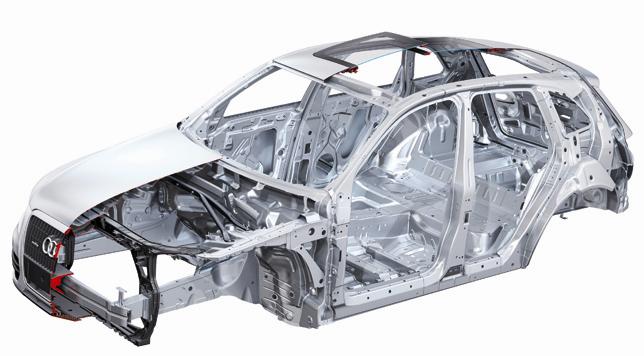 I personally believe that the future will eradicate in part the need for steel structures and race car chassis, as lightweight materials such as carbon fibre become ever more accessible and cheaper. Listed below are some advantages and disadvantages of both steel and carbon fibre; Advantages – Steel - High strength to weight ratio, which makes it so suitable for use as a material for car bodies - Being malleable, it can be easily shaped into the required forms - Easy material to bond together when using welding techniques - Can be used to create engine blocks, by being able to be poured into moulds - Low costs when compared to other metals - Being an iron-carbon alloy, stainless steel does not stain, rust or corrode 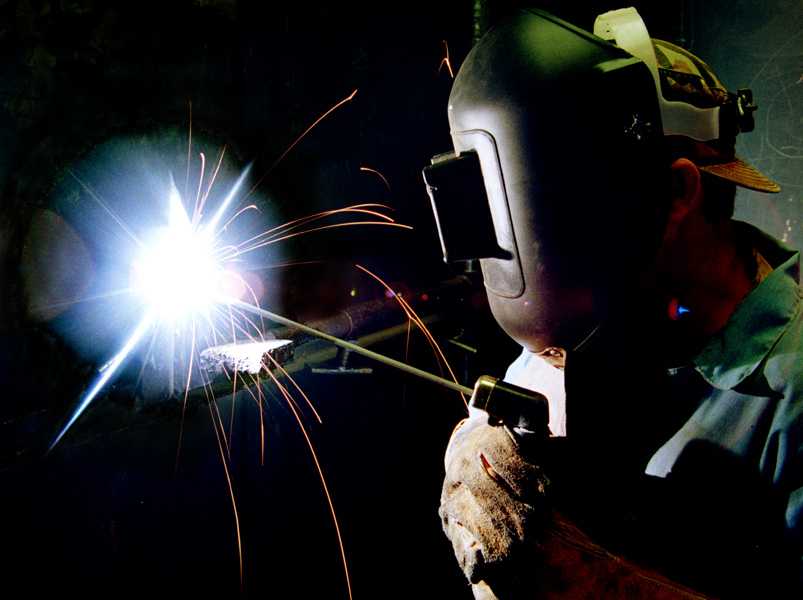 Disadvantages- Steel - Due to the extra weight of steel, this results in an increased fuel consumption of the vehicle in question. - Possibility of rusting if not treated with a anti rust coating - Susceptible to corrosion when exposed to air, water and humidity. - The strength of a structural steel member can be reduced if it is subjected to cyclic loading - Susceptibility to buckling - Steel is an incombustible material, however its strength is reduced dramatically at high temperatures Advantages – Carbon Fibre - Lighter than steel, whilst maintaining the same structural integrity and safety levels - The decrease in weight compared to steel results in a gain in fuel savings - The reduction in weight allow for vehicle manufacturers to use smaller engines whilst maintaining the same performance figures - Such a decrease in engine size would also reduce the amount of greenhouse gasses produced - High resilience, easy shaping and low thermal expansion - Ability to be manipulated to give the best results/directional performance 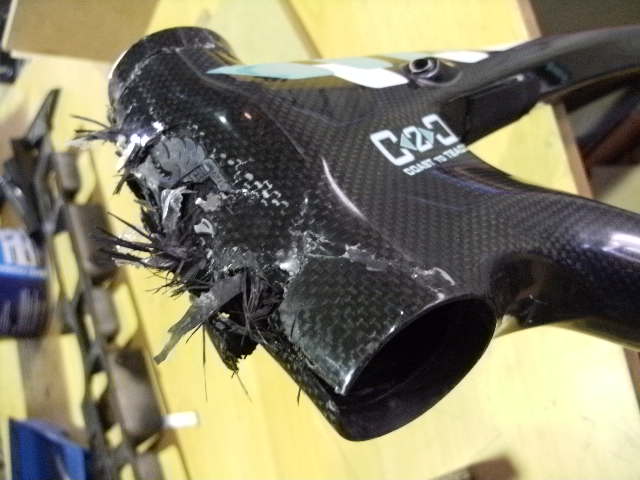 Disadvantages – Carbon Fibre - Inability to be recycled, though it can be to a degree, results show that the material is never as strong second time around, unlike steel - This brings up the question of where will all the scrap carbon fibre be dumped - Compared to steel, carbon fibre is considerably more expensive - Costly to produce due to the complexity of the raw materials - Difficulty of automated manufacture due to the way in which the components are best suited to building by hand - Sensitivity to shock and less strength in compression AMC 225XE “AMC225XE is a high quality aerospace grade aluminium alloy (AA2124) reinforced with 25% by volume of ultra-fine particles of silicon carbide. It is manufactured by a powder metallurgy route using high-energy mixing to ensure excellent particle distribution and to enhance mechanical properties.” 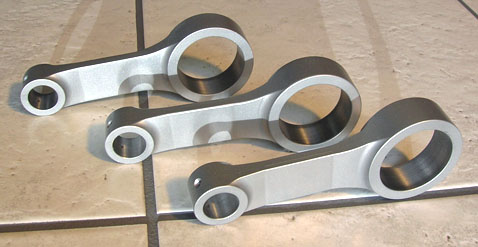 Thanks to AMC 225xe and its significant structural performance it can be used within such applications within the motorsport industry as; Pistons, disk bells, brake callipers, suspension parts, connecting rods and cylinder liners. The high grade aluminium alloy can also be used in the aerospace and defence sector. CRP 8601 “CRP Technology is launching a high-quality aerospace-grade aluminium alloy called CRP 8601, which is manufactured using a special powder metallurgy process with high-energy mixing to give excellent mechanical properties". The F1 industry uses MMC materials (eg AMC 225xe), while super aluminium materials - and, therefore, the new CRP 8601 alloy - are particularly suitable for other forms of motorsport and for the aerospace sector. The key benefits of CRP 8601 for structural applications include: • Weight saving • Increased component stiffness • High fatigue resistance • Good hardness and wear resistance • High flexibility of the billets' shapes/dimensions for machining |
